 info@workwearmanufacturer.co.uk


 Request a sample

Manufacturing in Sialkot, Pakistan — Supplying businesses across the UK
Buyer guides // Updated October 2026
Workwear buyer guides for UK businesses
Straightforward, practical answers for wholesalers, distributors, uniform suppliers and businesses buying custom workwear — from import duty and private label to minimum orders and logo branding. Regulatory facts are checked against official GOV.UK sources.
- Importing
- Duty, proof of origin, VAT, EORI and shipping
- Branding
- Embroidery, print, DTF and hi-vis logo rules
- Ordering
- MOQs, sampling and keeping small orders affordable
- Private label
- Your brand, labels and UK labelling rules
4 in-depth guides
All buyer guides
9 min read
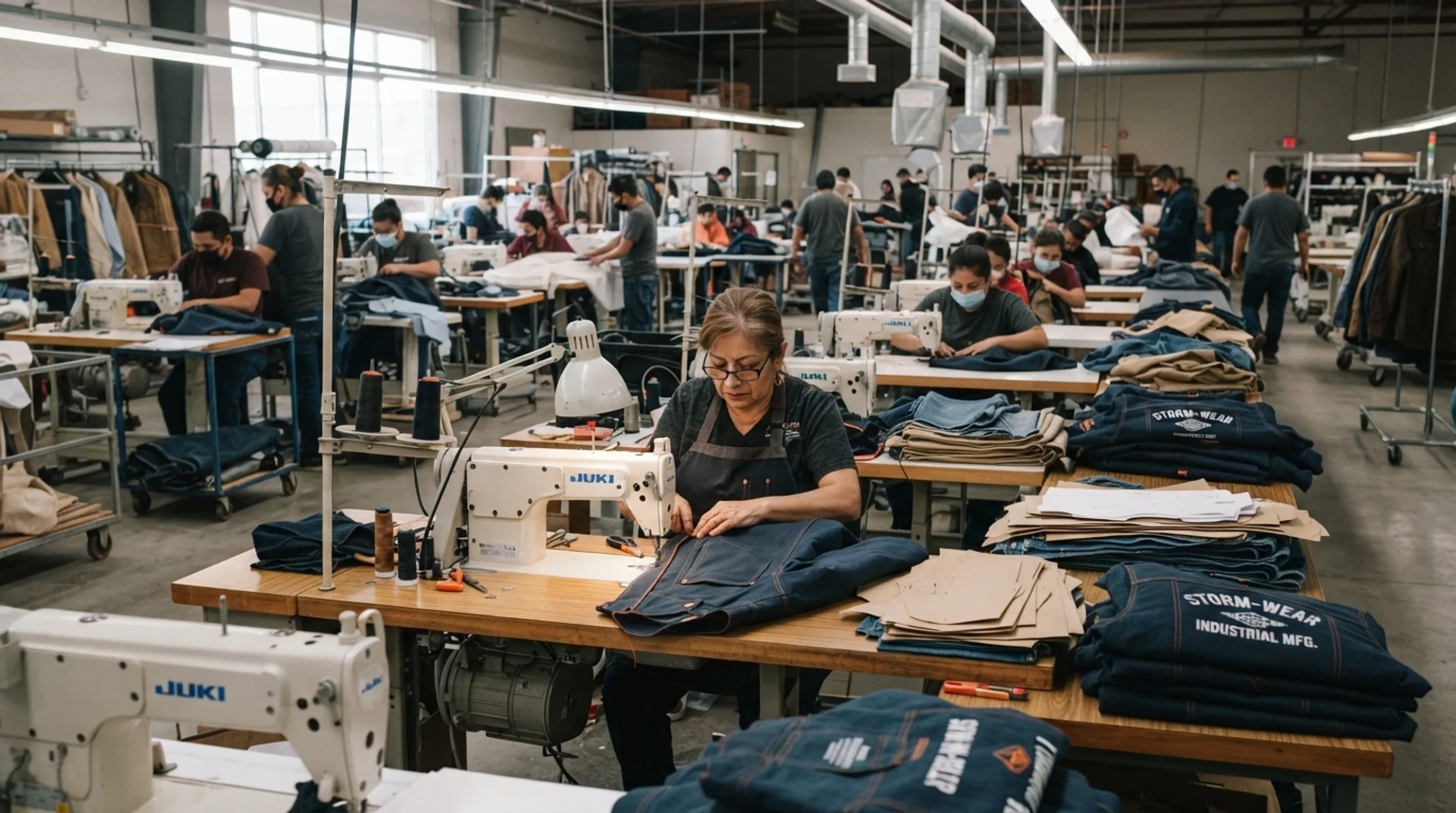
How to source workwear from Pakistan: a UK buyer's guide
UK import duty under DCTS, proof of origin, EORI, VAT, Incoterms, shipping times and the checks to make for hi-vis and flame retardant garments.
Read guide →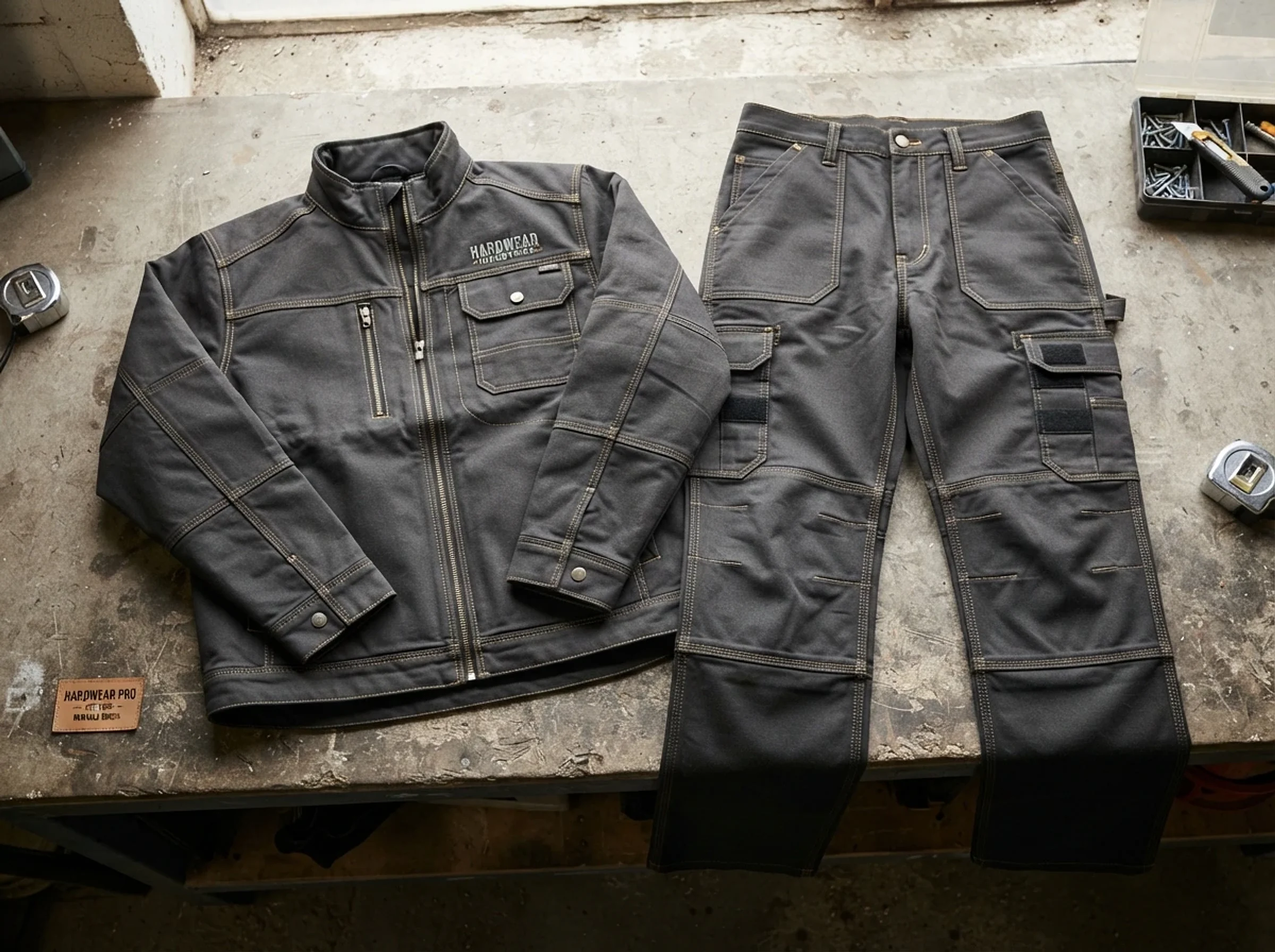
7 min read
Private label workwear: how it works for UK brands
How private label differs from white label and fully custom workwear, the step-by-step process, what you supply and the UK labelling rules.
Read guide →
6 min read
Workwear MOQ explained: minimum order quantities
What MOQ means, why factories set minimums, how it splits across colours and sizes, typical industry levels and how to keep small orders affordable.
Read guide →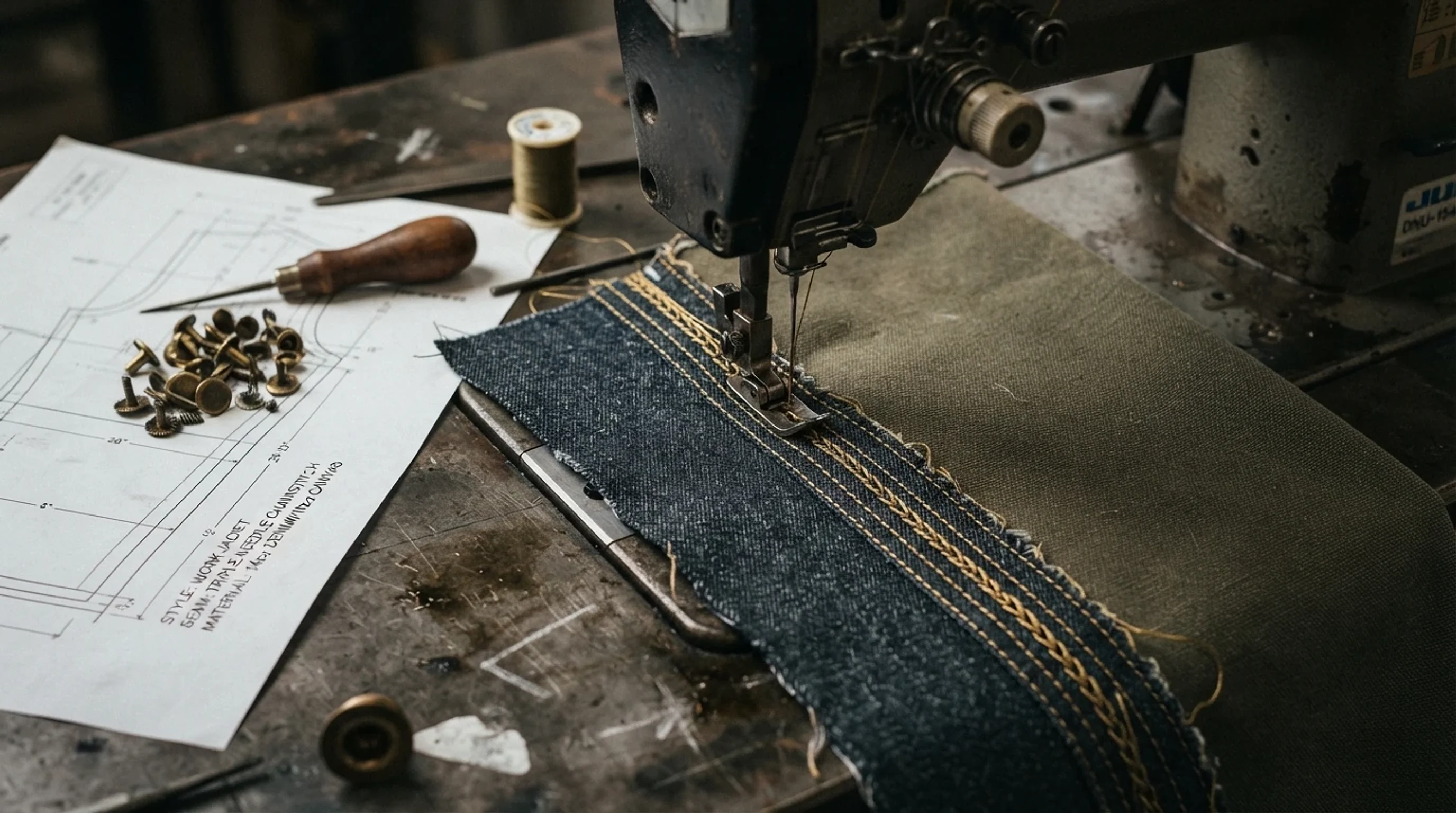
7 min read
Embroidery vs printing for workwear: which is best?
Compare embroidery, screen printing, DTF transfers, sublimation and reflective transfers for durability, cost and fabric — plus hi-vis and FR logo rules.
Read guide →
Procurement clarifications
Frequently asked questions
Common questions from UK businesses buying custom and wholesale workwear.
1. Is there import duty on clothing from Pakistan to the UK?

Most clothing from Pakistan enters the UK at 0% customs duty under the Developing Countries Trading Scheme (DCTS), compared with a standard 12% on many workwear lines. The goods must meet the rules of origin and travel with a valid proof of origin.
2. What proof of origin do I need under DCTS?
Usually an origin declaration (statement on origin) on the commercial invoice or another commercial document, or a Form A certificate. EU REX numbers can't be used under the UK scheme, and importer's knowledge is no longer accepted as proof.
3. What is private label workwear?
Private label workwear is made by a manufacturer and sold under your brand, with your neck labels, logo, swing tags and packaging. The garment can be an adapted manufacturer style or developed from scratch to your own specification.
4. What's the difference between private label and white label?
White label is a generic stock garment rebranded with little or no change. Private label is produced for your brand with your own labels and packaging, and often adapted fabrics, colours, pockets or other features.
5. What does MOQ mean in clothing manufacturing?
MOQ stands for minimum order quantity: the smallest number of garments a manufacturer will produce in one order. It's usually counted per style, and some factories also apply it per colour, so always check how it's calculated.
6. Why do factories have minimum order quantities?
Fabric rolls, dye lots, pattern cutting and machine set-up all carry fixed costs that don't shrink with small orders. Below a certain quantity the order becomes uneconomic for the factory, or very expensive per piece for you.
7. Is embroidery or printing better for workwear?
Embroidery is usually better for durability and a professional look on polos, fleeces and jackets. Printing suits large or detailed designs, T-shirts and back prints, and screen printing becomes cost-effective at higher volumes.
8. Can you put a logo on hi-vis and stay compliant?
Yes, if the logo only uses fluorescent area above the minimum required for the garment's EN ISO 20471 class. Agree the logo size and position with the manufacturer and check it against the garment's certification.
Ready to discuss your order?
Wholesale workwear manufactured in Sialkot, Pakistan for UK businesses — from 25 pieces per style, with samples before bulk production.